














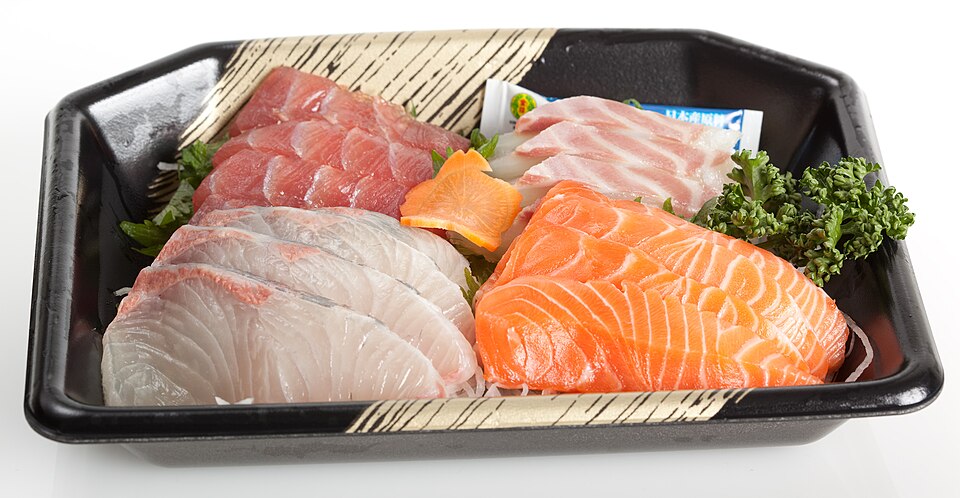
Hong Kong food safety authorities said no excessive radiation levels were found in 163 samples of Japanese aquatic products, seaweed and sea salt tested over the past 24 hours, as the city
continues heightened monitoring following Japan’s release of treated wastewater from the Fukushima nuclear plant.
The Centre for Food Safety (CFS) said the tests were conducted on Japanese imports between noon on May 13 and noon on May 14. All samples met safety standards and were cleared for sale in Hong Kong.
The testing regime was introduced after the Japanese government began discharging treated radioactive wastewater from the Fukushima Daiichi Nuclear Power Station in 2023. In response, Hong Kong imposed an import ban on aquatic products, sea salt and seaweed originating from 10 Japanese prefectures and metropolitan areas: Tokyo, Fukushima, Ibaraki, Miyagi, Chiba, Gunma, Tochigi, Niigata, Nagano and Saitama.
Products from other parts of Japan are subject to comprehensive radiological screening before entering the local market.
Separately, the Agriculture, Fisheries and Conservation Department tested 50 samples of locally caught seafood during the same period. All samples passed radiological checks.
The Hong Kong Observatory said it has also strengthened environmental monitoring of local waters and has not detected any abnormalities so far.
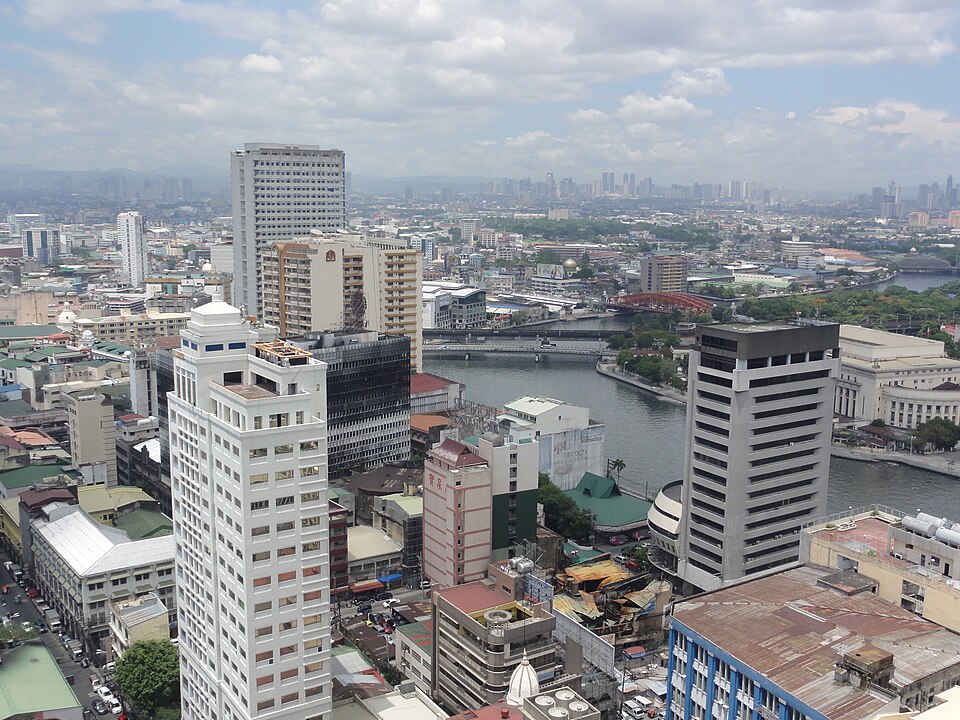
Since Aug. 24, 2023, authorities have tested 227,666 samples of food imported from Japan, including 143,484 samples of aquatic products, seaweed and sea salt. Another 49,338 samples of locally caught seafood have also undergone testing. Officials said all samples passed safety inspections. Photo by Laitr Keiows, Wikimedia commons.