












China has unveiled new measures aimed at expanding access to public services for millions of migrant workers living in cities without local household registration, marking another step in the
country’s long-running reform of the hukou system.
Guidelines released Friday call on local governments and state agencies to provide key public services — including education, healthcare and social insurance — based on where people actually live rather than where they were officially registered at birth.
The reforms are expected to strengthen the social safety net for migrant families and could help stimulate domestic consumption in China’s export-dependent economy.
China’s hukou system, introduced in the 1950s, ties access to public benefits largely to a person’s birthplace and has historically been used to control migration from rural areas to cities. As a result, many migrant workers holding rural hukou registrations have faced difficulties accessing schools, healthcare and housing in the urban areas where they work.
Under the new guidelines, authorities are urged to gradually remove the connection between basic public services and household registration status.
“Providing basic public services based on place of residence and promoting equal access are conducive to meeting people’s growing needs for a better life,” the State Council said in the policy document.
The measures also seek to improve educational access for migrant children by encouraging cities to admit more students into public schools and allow eligible students to take entrance examinations where they reside.
In housing, local governments are being encouraged to expand public rental housing programs to include non-local residents with stable employment, even if they lack urban hukou status. The guidelines further state that workers should be able to join social insurance programs in the cities where they are employed.
China also plans to ease hukou-related restrictions in sectors such as childcare, eldercare and disability support, while provincial governments are being encouraged to increase fiscal support for cities experiencing large population inflows.
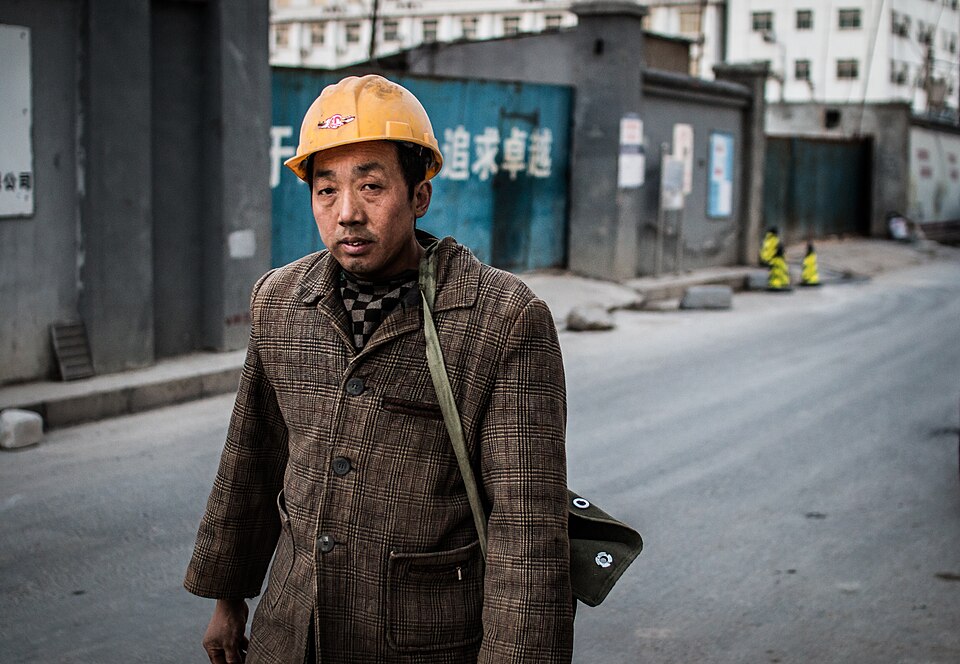
The reforms reflect Beijing’s broader effort to integrate migrant workers more fully into urban life as policymakers look for ways to address slowing economic growth and rising social pressures. Photo by Matt Ming from Beijing, China, Wikimedia commons.